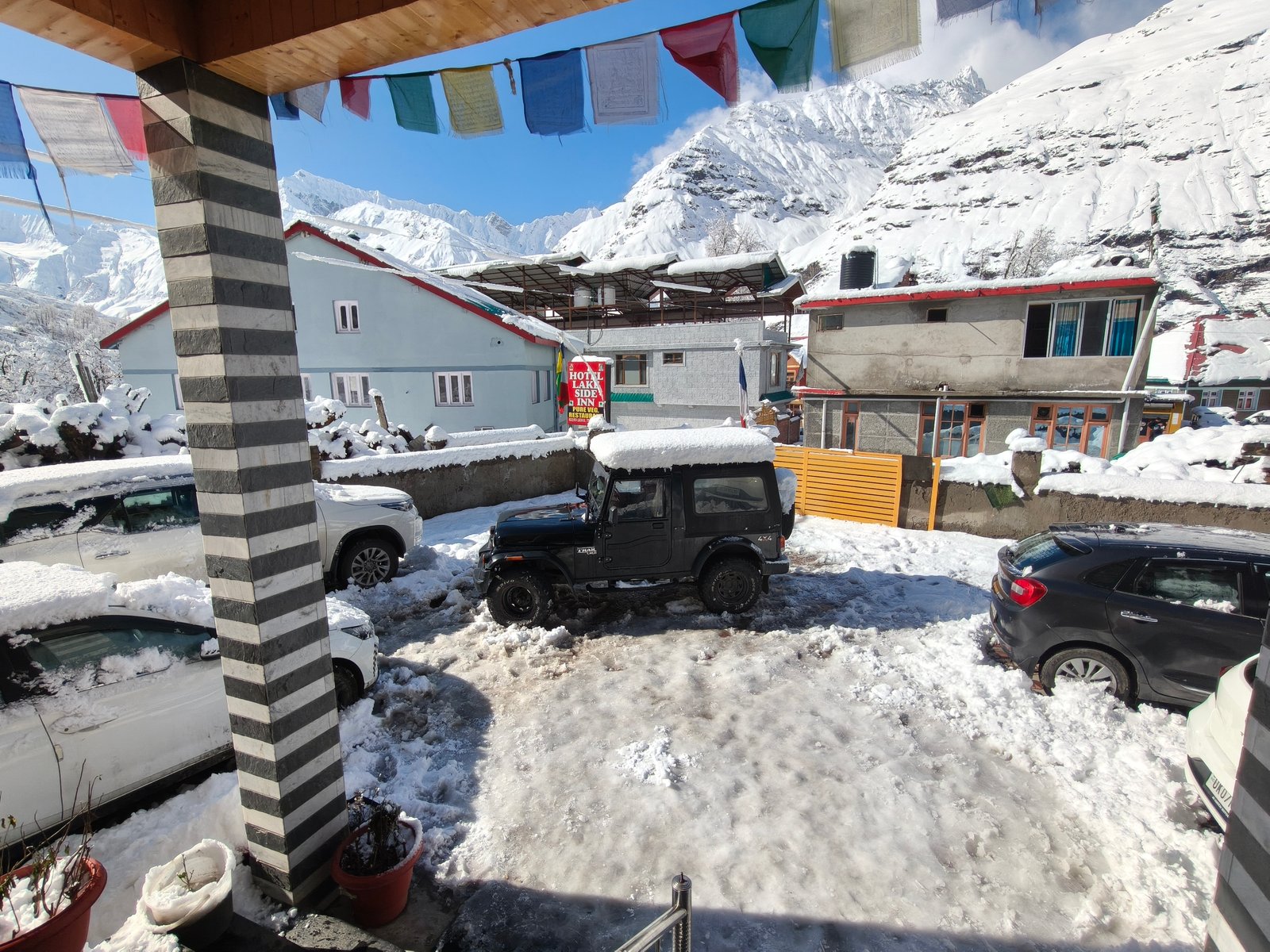
There is no single “Sissu trip cost” that fits everyone — it depends on how you travel, when you come and how you like to stay. The honest way to plan is to break your trip into a few cost buckets — getting here, where you stay, food, local travel and the season you pick — then decide where to spend and where to save. As the hosts of a small valley-floor hotel in Sissu, we will not quote you made-up rupee figures here, because real prices move with the season and with the choices you make. Instead, this guide shows you exactly what drives each cost and the practical ways travellers keep their Sissu budget sensible.
The main cost buckets
Before you look at a single number, it helps to know what you are actually paying for. Almost every Sissu trip splits into five buckets. Travel is what it costs to reach the valley and get home. Stay is your room for each night. Food covers meals and the endless cups of tea the cold makes you crave. Local travel and sightseeing is how you move around once you are here — to the lake, the waterfall, the helipad viewpoint and beyond. And sitting over all of it is the season, which quietly raises or lowers almost every other line.
The size of each bucket is in your hands more than you might think. A solo traveller on buses who eats where they stay will spend very differently from a family in a private taxi ordering room service — even on the exact same dates. Once you see what drives each bucket, you can dial your own trip up or down with confidence.
1. Getting to Sissu
Most visitors reach Sissu from Manali, and the drive is short by mountain standards — roughly 38 to 40 km and about an hour to ninety minutes through the Atal Tunnel, traffic and weather permitting. Sissu sits only about 12 km north of the tunnel’s far portal, so it is one of the first proper stops once you cross into the Lahaul valley.
Your travel cost depends almost entirely on which mode you choose:
- HRTC ordinary buses are the cheapest way in. State buses running Manali to Keylong pass through Sissu, so you can ride the public service rather than booking a vehicle. It is slower and less flexible, but it is the budget traveller’s friend.
- Shared taxis sit in the middle — you split the fare with other passengers, which is far cheaper than going private while still being quicker and more comfortable than the bus.
- Private taxis are the most expensive option but the most convenient, especially for families, early starts or anyone carrying a lot of luggage. The cost is the same whether one or four of you ride, so it gets cheaper per head the larger your group.
We deliberately are not quoting fares here, because they shift with fuel, season and demand. For current figures and the trade-offs between each option, see our Manali to Sissu taxi and bus fare guide. The simple rule: the more you can share or use public transport, the smaller this bucket gets.
2. Where you stay
Accommodation is usually the biggest single line in a Sissu budget, and it is also the one where the season swings prices the hardest. Sissu has grown a lot as a tourist stop, so you will find everything from basic guesthouse rooms and homestays through to mid-range hotels and, when the weather allows, camps and tents near the meadows.
What drives your stay cost is a mix of three things: the type of property, the dates you pick and how you book. A simple room with the essentials will always cost less than one with a view, heating and a restaurant attached. Peak dates cost more than quiet ones. And booking direct often gets you a better rate than going through a layer of middlemen.
At Hotel Lake Side Inn we keep things straightforward: comfortable rooms a two-minute walk from Sissu Lake and the waterfall, free parking, 24×7 hot water, heaters and an in-house pure-veg kitchen so you do not have to head out into the cold for dinner. Our rates vary by season, so the most honest thing we can tell you is to message us for current pricing and book direct for our best rate. If you are weighing up the different kinds of places to sleep, our where to stay in Sissu guide lays out the options, and our budget-friendly hotel in Sissu page explains how we keep good value without cutting the things that matter at 3,100 m — warmth, hot water and a hot meal.
3. Food and drink
Food is a smaller bucket than travel or stay, but it adds up faster than people expect — partly because cold weather makes everyone hungrier, and partly because Sissu is a remote valley. Supplies are trucked in over the mountains, so groceries, packaged snacks and bottled drinks tend to cost a little more here than they would down in Manali or in a city. That is simply the reality of life above the tunnel, not anyone overcharging.
The way to keep food spending in check is to eat most of your meals where you stay. A hotel with its own kitchen, like ours, means hot, freshly cooked food without a separate trip out, and usually better value than ordering piecemeal from several places. Our kitchen is pure-veg, which suits a lot of travellers heading into the mountains — you can read more on our pure-veg food in Sissu page. A small money-saver many regulars swear by: carry your own stash of dry snacks, tea bags, biscuits and any specific items you cannot do without, since valley prices for these run higher and choice is limited.
4. Local travel & sightseeing
One of the nicest things about Sissu for a budget is that a lot of it is free or nearly free. The main attractions — Sissu Lake, the waterfall, the open meadows and the mountain views — cost nothing to enjoy, and from a well-placed hotel many are within walking distance. If your base is a short stroll from the lake and waterfall, your local-travel bucket can be close to zero on the days you stay in the village.
Costs appear when you want to go further afield — day trips towards Keylong, Jispa, the Gondhla area or longer hauls. For these you will hire a vehicle, and just like the journey in, sharing a taxi or timing it with an HRTC bus is far cheaper than booking a private car for yourself. Plan your sightseeing into clusters so one hired vehicle covers several stops in a day rather than paying for separate trips. Our what to pack for Sissu guide also helps you avoid the small, annoying expense of buying forgotten essentials at valley prices.
5. The season effect
If there is one factor that quietly decides your whole Sissu budget, it is timing. Demand — and therefore price — peaks during the summer school holidays and again during the snow months, when everyone wants their photographs in the white. Rooms fill up, vehicles get booked out and rates climb. The shoulder months on either side of those peaks are quieter, often cheaper and arguably more pleasant, with fewer crowds at the lake.
There is also a practical wrinkle: a deep-winter break, roughly from late January to the end of February, when the harshest conditions make the valley very hard to operate and reach. Planning around the calendar is the single most effective budgeting move you can make. Our best time to visit Sissu guide walks through each window so you can pick dates that balance weather, crowds and cost.
Cost factors at a glance
Rather than invent prices that would be wrong by the time you read them, here is what actually drives each bucket up or down. Use it to spot where your own trip is heading.
| Cost bucket | What pushes it higher | What keeps it lower |
|---|---|---|
| Getting there | Private taxi, solo travel, peak-date demand | HRTC bus or a shared taxi; travelling as a group |
| Where you stay | Peak season, view rooms, booking via middlemen | Shoulder-season dates, booking direct, simpler rooms |
| Food & drink | Eating out at several places, buying packaged goods locally | Eating where you stay; carrying your own snacks and tea |
| Local travel & sightseeing | Private day-trip vehicles, scattered single trips | Walkable attractions, shared taxis, clustered day trips |
| Season | Summer holidays and snow months — highest demand | Quieter shoulder months on either side of the peaks |
How to save on a Sissu trip
Pull the factors above together and a clear list of money-savers falls out. None of these cut into the experience — they just trim the parts you would not miss.
- Travel in the shoulder season. Dates just outside the holiday and snow peaks usually mean lower room rates, easier vehicle bookings and a calmer valley.
- Book your stay direct. Skipping middlemen often gets you a better rate — with us, just message us for current pricing and book direct.
- Share your ride. A shared taxi or an HRTC bus costs a fraction of a private car; if you are a group, a private taxi gets cheaper split per head.
- Use HRTC buses where you can. The state buses on the Manali–Keylong route through Sissu are the cheapest way to move.
- Eat where you stay. A hotel with its own kitchen saves both money and a cold trip out for dinner.
- Carry your essentials. Pack snacks, tea, medicines and toiletries from below — valley prices run higher and choice is limited.
- Cluster your sightseeing. Group out-of-village trips so one hired vehicle covers several stops in a day.
Building your own budget
The most reliable way to estimate your Sissu trip cost is to build it bucket by bucket with real, current numbers rather than borrow someone else’s total. Start with travel: decide bus, shared or private, and get a live fare from our transport and fare guide. Add your stay by multiplying a current per-night rate by your number of nights — for ours, just ask us for the figure for your dates. Estimate food based on how many meals you will eat in versus out. Add a line for any day trips. Finally, nudge the whole thing up if your dates fall in a peak window, or down if you are travelling in a quieter month.
Do that and you will have a budget built on real prices for your trip, not a guess. When you are ready to lock in the stay portion — usually the biggest and the first thing to book — we are happy to give you our current rate and hold a room. A valley-floor base a short walk from the lake, with hot water, heaters and hot meals, is the part of a Sissu budget worth getting right.
Frequently Asked Questions
How much does a trip to Sissu cost?
There is no single figure — it depends on how you travel, when you go, where you stay and how much you eat out. Build your budget bucket by bucket using current prices for travel, stay, food and any day trips, and remember the season nudges almost everything up or down.
What is the cheapest way to reach Sissu?
HRTC ordinary buses on the Manali–Keylong route, which pass through Sissu, are the cheapest option. A shared taxi is the next step up in cost and comfort, while a private taxi is the most expensive but most convenient. See our fare guide for current figures.
When is the cheapest time to visit Sissu?
The quieter shoulder months on either side of the peaks are usually cheaper, with lower demand for rooms and vehicles. Prices climb during the summer school holidays and the snow months. Our best time to visit guide walks through each window.
How can I save money on food in Sissu?
Eat most meals where you stay — a hotel with its own kitchen is usually better value than ordering from several places, and saves a cold trip out. Carrying your own snacks, tea and essentials also helps, since packaged goods run pricier in the valley.
Is sightseeing in Sissu expensive?
Not really. The main draws — the lake, the waterfall, the meadows and the views — are free, and from a well-placed base many are within walking distance. Costs only appear when you hire a vehicle for trips further afield, which sharing keeps cheaper.
How much does a hotel in Sissu cost?
Room rates move with the season and the type of property, so we do not publish a fixed figure. At Hotel Lake Side Inn our rates vary by season — message us for current pricing, and book direct for our best rate.
Is Sissu a budget-friendly destination?
It can be. With free natural attractions, the option of public buses and shared taxis, and hotels with their own kitchens, it is very possible to keep a Sissu trip sensible — especially if you travel in the shoulder season and book direct. See our budget-friendly hotel page.
Why do prices seem higher in Sissu than in Manali?
Sissu is a remote valley above the Atal Tunnel, so supplies are trucked in over the mountains. That pushes up the cost of groceries, packaged snacks and bottled drinks compared with Manali. Carrying your own essentials from below is the simplest way around it.
Ready to plan your Sissu stay?
Tell us your dates and group size and we’ll share our current season rate — a warm, valley-floor room a 2-minute walk from Sissu Lake. Book direct for our best rate.