Sissu sits at about 3,100 m with very little light pollution, so on a clear, moonless night you can see the Milky Way with the naked eye. By day, the best photo spots are Sissu Lake’s reflections at dawn, the waterfall, and the helipad sunset viewpoint at golden hour.
Quick answer
Sissu is one of the easiest places in Lahaul to come home with great photos. Its high altitude and minimal artificial light make for genuinely dark skies, so stargazing and Milky Way shots are excellent on a clear, moonless night. For daytime, head to Sissu Lake at dawn for mirror reflections of the snow peaks, the waterfall for spray and motion, and the helipad viewpoint for golden-hour panoramas across the valley. The two windows that matter most are the golden hours — the first hour after sunrise and the last hour before sunset.
Best photography spots in Sissu
You don’t need to travel far. Almost everything worth shooting is within a few minutes of the valley floor.
- Sissu Lake reflections — the standout shot. Arrive between roughly 7–9 AM while the water is calm and the surrounding peaks mirror perfectly. A breeze later in the morning breaks the reflection, so go early.
- Sissu Waterfall (Palden Lhamo Dhar) — a tall cascade pouring down the cliff face above the village. Best in late spring and summer when meltwater is strong; a slow shutter smooths the flow. See our Sissu Waterfall guide for access.
- Sissu helipad / sunset viewpoint — an open clearing with wide views down the valley. This is the spot for golden-hour and the closest thing Sissu has to a dedicated sunset point.
- Atal Tunnel north portal — the dramatic tunnel mouth and the road framed by mountains. Note that stopping and photography rules apply inside and near the tunnel; shoot from the approach, not the carriageway.
- Autumn willows & poplars — in October the valley’s tree lines turn gold against the dark hills — a different palette from the usual blue-and-white.
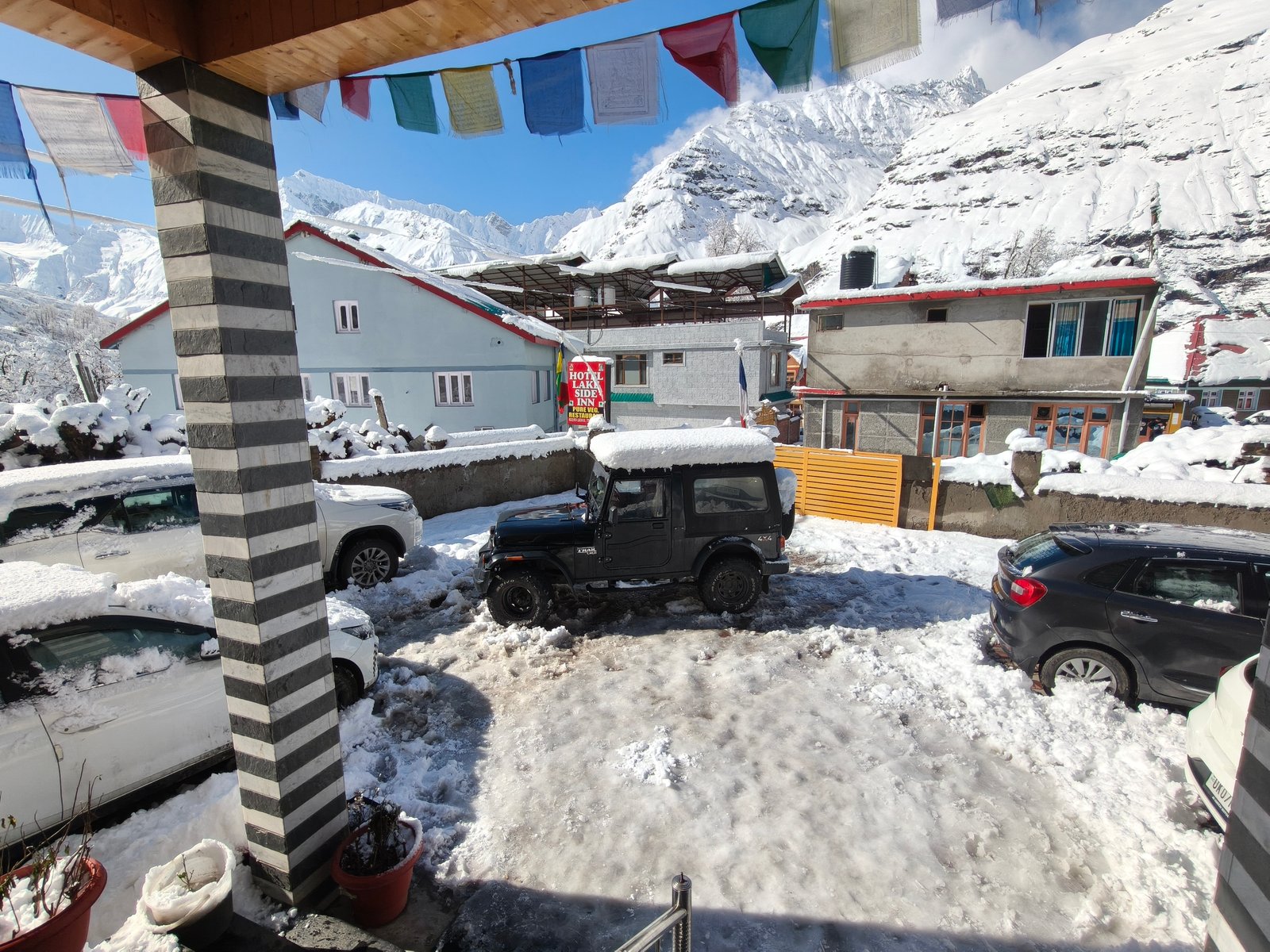
- Snow-laden valley — in winter the whole basin goes white, and the waterfall can partly freeze. Cold but spectacular.
Best times of day (golden hours)
Light, not gear, makes the difference here. Two windows do most of the work:
- Just after sunrise — soft, warm light hits the peaks first, the air is stillest, and the lake is at its most mirror-like. This is the best time for reflections and for crowd-free frames.
- Before sunset — the helipad viewpoint glows as the sun drops behind the ridges. Stay for the “blue hour” afterwards, which then rolls straight into stargazing on a clear night.
Midday light at altitude is harsh and high-contrast, so it suits wide landscapes more than portraits. If you only have midday hours, the waterfall and tunnel portal still photograph well in shade.
Stargazing & the Milky Way
This is where Sissu quietly shines. With very low light pollution and clear high-altitude air, the night sky is dense with stars and the Milky Way is visible to the naked eye when conditions line up. Three things have to be right:
- Clear skies — check the forecast; clouds end the show.
- A dark, moonless night — avoid the nights around a full moon, which washes out faint stars. Aim for the new-moon week.
- The right season — the bright Milky Way core is best seen roughly April through September. Autumn skies are also extremely clear and crisp for general stargazing, even if the core sits lower.
For Milky Way photos you’ll want a tripod, a wide fast lens and a long-ish exposure. Step a short way from any building lights, let your eyes adjust for 15–20 minutes, and use a red torch to keep your night vision.
| Spot | Best time | What to shoot |
|---|---|---|
| Sissu Lake | Sunrise, 7–9 AM | Mirror reflections of snow peaks |
| Sissu Waterfall | Late spring–summer, daytime | Cascade, motion-blur with slow shutter |
| Helipad viewpoint | Before sunset / blue hour | Valley panorama, golden-hour light |
| Atal Tunnel north portal | Morning, from the approach | Tunnel mouth, road & mountains |
| Open ground, away from lights | Clear, moonless night (Apr–Sep) | Milky Way & star fields |
Seasonal photography (autumn, snow)
Each season gives you a different Sissu.
- Autumn (October) — willow and poplar foliage turns gold, the air is exceptionally clear, and the contrast against dark slopes and first snow on the high peaks is gorgeous. One of the most under-rated months to shoot.
- Winter — a snow-laden valley and a partly frozen waterfall make for striking, minimalist frames. Be warned: it is very cold, batteries drain fast, and the road can close — check our best time to visit Sissu guide before planning a winter shoot.
- Spring & summer — full waterfalls, green valley floor and the strongest Milky Way season for night photography.
Tips & gear
- Bring a tripod. Essential for sharp lake reflections, slow-shutter waterfall shots and any night/Milky Way photography.
- Shoot the golden hours — just after sunrise and just before sunset give the best light.
- Dress warm for night shoots. Temperatures drop sharply after dark even in summer; layers, gloves and a cap matter. See what to pack for Sissu.
- Carry a torch (ideally with a red mode) for moving around safely in the dark without killing your night vision.
- Spare batteries — cold drains them quickly; keep a spare warm in an inside pocket.
- Respect locals and private property. Ask before photographing people or homes, and stick to public ground.
Frequently Asked Questions
Is Sissu good for stargazing?
Yes — very. At about 3,100 m with very low light pollution, Sissu has genuinely dark skies. On a clear, moonless night you can see the Milky Way with the naked eye, which makes it one of the better accessible stargazing spots in Lahaul.
When can you see the Milky Way in Sissu?
The bright Milky Way core is best seen roughly from April to September, on clear nights away from the full moon. Autumn skies are also very clear for general stargazing. Avoid nights around a full moon, which washes out faint stars.
What are the best photo spots in Sissu?
Sissu Lake for dawn reflections (7–9 AM), the Sissu Waterfall, the helipad sunset viewpoint, the Atal Tunnel north portal, and — in October — the gold autumn willows and poplars.
What is the best time of day for photos in Sissu?
The golden hours: the first hour after sunrise (best for calm lake reflections) and the last hour before sunset (best at the helipad viewpoint). Midday light at altitude is harsh and high-contrast.
Is there a sunset point in Sissu?
The open helipad clearing is the closest thing to a dedicated sunset viewpoint, with wide views down the valley that glow at golden hour. Stay on for the blue hour, which leads straight into stargazing on a clear night.
Is Sissu good for photography in winter?
Yes, if you can handle the cold. Winter gives you a snow-laden valley and a partly frozen waterfall for striking minimalist shots. Batteries drain fast in the cold and the road can close, so check road and weather status before you plan a winter trip.
Make Sissu your home for a few days
Cosy mountain-view rooms, 24×7 hot water and a pure-veg kitchen — a 2-minute walk from Sissu Lake. Book direct for our best rate.