Raja Gyephang temple is a small village shrine in Sissu dedicated to Gyephang — widely honoured as the chief guardian deity of the Lahaul valley. It stands in Sissu village, a short walk or drive from our hotel, and travellers passing through often stop to pay their respects before continuing into Lahaul.
About the temple
The Raja Gyephang temple is a modest shrine in the village of Sissu, in the Lahaul region of Himachal Pradesh. It sits close to the main road that runs through Sissu on the way deeper into Lahaul, and is one of the most spiritually significant stops in the valley. Many travellers driving through — locals and visitors alike — pause here to bow their heads and pay their respects before going on to Keylong and beyond. It is a quiet, working place of devotion rather than a grand monument, and that simplicity is part of its character.
The temple is closely tied to the towering peak that bears the deity's name. Gyephang peak, which rises to just under 5,800 metres and looms over the Sissu valley, is held to be sacred and is traditionally treated with great reverence. Standing at the shrine with that snow summit watching over the village gives a strong sense of why this deity sits at the heart of Lahauli life. If you are mapping out a day in the area, the temple pairs naturally with the village's other sights — see our guide to things to do in Sissu.
Who is Raja Gyephang?
Gyephang — you will also see the name written as Gephan or Ghepan — is widely regarded as the chief, or presiding, guardian deity of the Lahaul valley. He is honoured across the region as a protector of the land and its people, and the prefix Raja (king) reflects the standing he holds in local belief. For the communities of Lahaul he is far more than a village god; he is the deity who watches over the whole valley.
Local tradition links Gyephang to the great peak that carries his name, and the mountain is considered so sacred that it is traditionally not climbed. Stories told about him vary from village to village, as oral traditions often do, so we leave the finer points of the legend to the elders and priests who keep them. What is clear and consistent is the deep respect the deity commands: shrines dedicated to Gyephang are found in the valley, and the one in Sissu is among the best known. Out of respect, the innermost parts of such shrines are not always open to casual visitors, and the deity is brought out in public procession only on special occasions, reported by locals as taking place once every two to three years.
The Halda festival
The deity is honoured through the year, but Lahaul's most distinctive winter celebration is Halda — a festival of fire and light often described as the valley's answer to Diwali. Halda falls in the depth of winter, around the time of Losar (the Tibetan New Year), typically in mid-January; the exact date is set by the lamas according to traditional astrological reckoning. As dusk falls, villagers gather bundles of cedar torches, light them together and carry the flames in a glowing procession, offering prayers to their local deities for protection, prosperity and a good harvest in the year ahead.
Halda is a community festival honouring the valley's deities, and Gyephang is among those revered at this time. It is a striking thing to witness if your visit happens to fall in January, though deep winter in Lahaul is cold and weather-dependent, so travel needs careful planning. If you are weighing up when to come, our best time to visit Sissu guide lays out what each season is like.
How to reach & visiting etiquette
The temple is easy to reach because it sits right in Sissu village, on the valley floor:
- From our hotel — the shrine is only a short walk or a few minutes' drive away within the village.
- From Manali — roughly 38–40 km, about 1–1.5 hours by car via the Atal Tunnel; Sissu lies about 12 km beyond the tunnel's north portal.
- By bus — HRTC buses heading towards Keylong pass through Sissu; ask to be set down in the village.
This is an active place of worship, so a little courtesy goes a long way. Dress modestly with shoulders and knees covered, remove your shoes where signs or custom ask you to, and keep your voice low near the shrine. Always ask before photographing the interior or any rituals — some areas and ceremonies are private — and follow the lead of local devotees. Treat the surrounding peaks and offerings with the same respect the community does. You can pair the visit with nearby Sissu Lake for an easy, unhurried morning in the village.
Please remember this is a living shrine, not a tourist monument. Seek permission before taking photos inside, avoid stepping over offerings, and dress and behave modestly — your respect is genuinely appreciated by the community.
Where to stay nearby
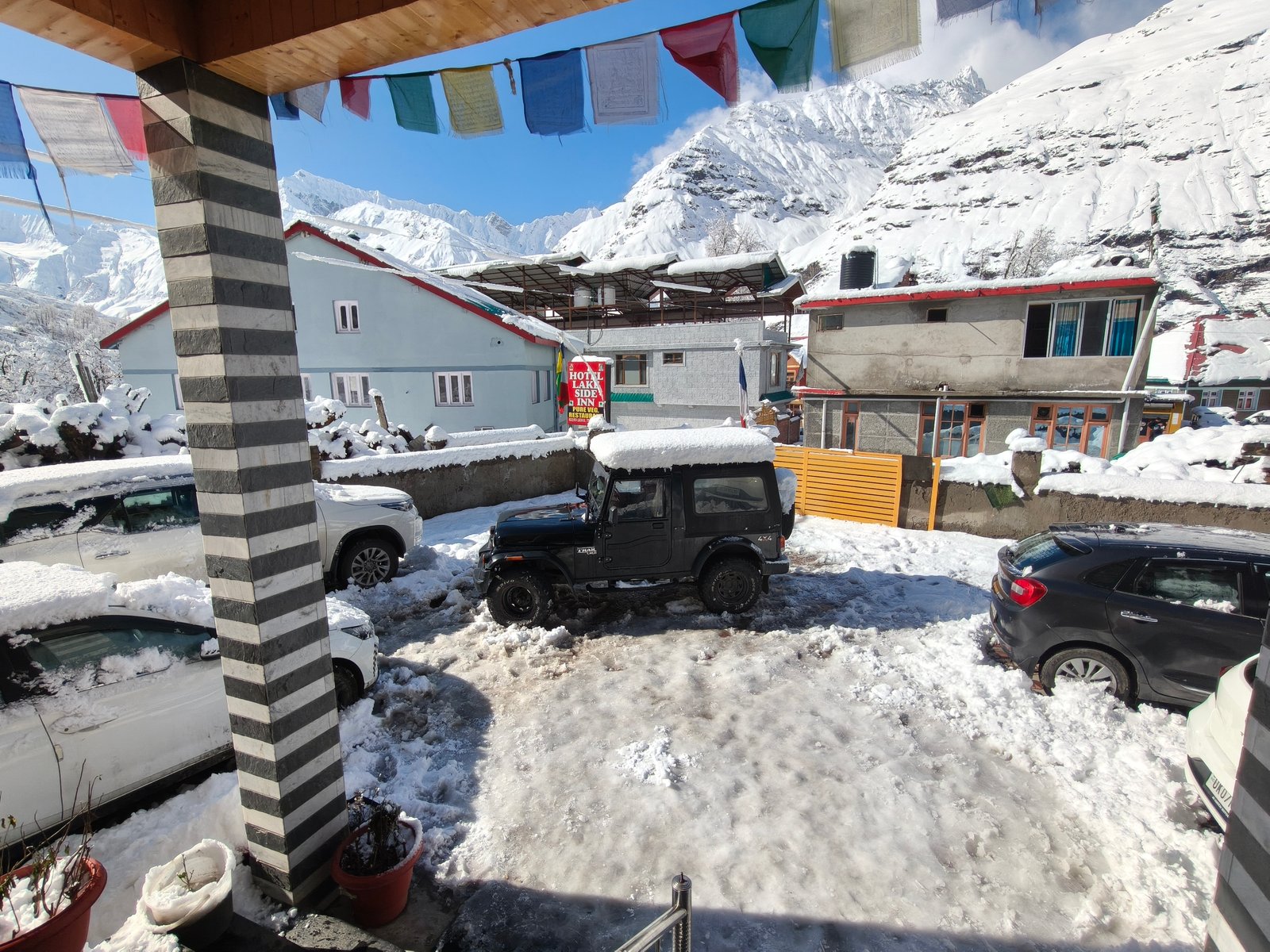
The most convenient base for visiting the temple is somewhere within easy walking distance — and that is exactly where we are. Hotel Lake Side Inn sits in Sissu just a short walk from the Raja Gyephang shrine, so you can wander over in the morning, take in the village and its sacred peak, and be back for breakfast without any long drive.
What a stay with us includes:
- Mountain-view rooms looking out over the Sissu valley and its snow peaks.
- 24×7 hot water — essential at this altitude, morning or night.
- Pure-veg restaurant serving fresh, home-style meals on site.
- Free parking for guests arriving by car or taxi.
Browse our rooms and rates to choose the right fit, or contact us directly for dates and availability. Booking direct gets you the best rate and a local host on hand for directions, timings and tips on visiting the temple respectfully.
Frequently Asked Questions
What is the Raja Gyephang temple?
It is a village shrine in Sissu dedicated to Gyephang, widely regarded as the chief guardian deity of the Lahaul valley. Travellers passing through often stop here to pay their respects. It is a quiet, working place of devotion rather than a large monument.
Who is Gyephang?
Gyephang — also spelled Gephan or Ghepan — is honoured as the presiding guardian deity of Lahaul, a protector of the land and its people. The towering Gyephang peak that overlooks Sissu carries his name and is considered sacred, traditionally not climbed.
Where is the temple in Sissu?
The shrine stands in Sissu village on the Lahaul valley floor, close to the main road and only a short walk from Hotel Lake Side Inn. Sissu is about 12 km beyond the north portal of the Atal Tunnel.
Can you visit the temple, and is there an entry fee?
Yes, visitors are generally welcome to pay their respects, and there is no formal entry ticket. As it is an active place of worship, please dress modestly, remove shoes where asked, behave quietly and seek permission before photographing inside — some inner areas and rituals may be private.
What is the Halda festival?
Halda is Lahaul's major winter festival of fire and light, often likened to Diwali. It falls around mid-January, near the time of Losar (Tibetan New Year), with the date set by the lamas. Villagers light cedar torches and offer prayers to their local deities, Gyephang among those revered.
How far is the temple from the hotel?
It is very close — the Raja Gyephang shrine is just a short walk or a few minutes' drive from Hotel Lake Side Inn within Sissu village, making it easy to visit on foot during your stay.
Stay minutes from Raja Gyephang Temple
Explore Sissu's temple, lake and waterfall on foot, then return to a warm room and pure-veg meal at Hotel Lake Side Inn. Book direct.